Loading...
Insights from a $1B+ SaaS team on the creator economy, audience monetization, and building products that scale.
The creator economy crossed $250B but most creators earn under $15K per year. The smartest creators have figured out why, and they are building software companies.
Compare ad revenue and subscription models for creators. See why 1,000 subscribers at $29 per month beats 500K YouTube views every time.
The creator economy is projected to reach $480B by 2027. Here are 5 trends shaping how creators earn, build, and grow in 2026 and beyond.
Only 4% of YouTubers earn $100K or more per year. Discover proven revenue streams beyond AdSense that top YouTube creators are using to build real wealth.
Traditional startups spend 40% of funding on customer acquisition. Creators already have the audience. Here is why that changes everything.
68.8% of Instagram creators rely on brand deals, down from 91% in 2021. Explore sustainable monetization strategies that go beyond waiting for the next sponsorship.
TikTok earned $33B in ad revenue while paying creators fractions of a cent per view. Here is why TikTok creators need to build revenue beyond the platform.
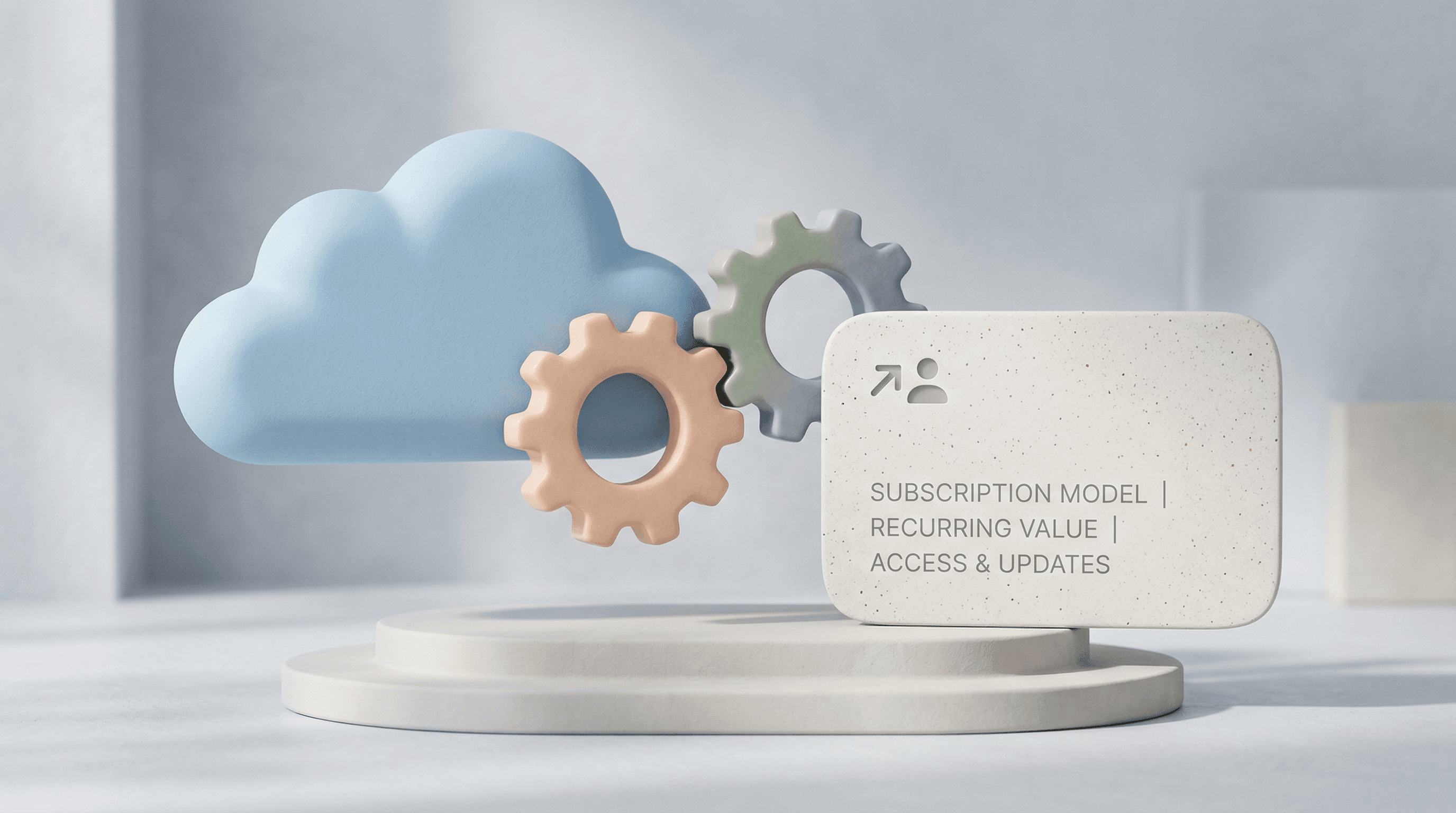
SaaS products have 80%+ margins and recurring revenue. Here is everything content creators need to know about the SaaS business model in plain language.
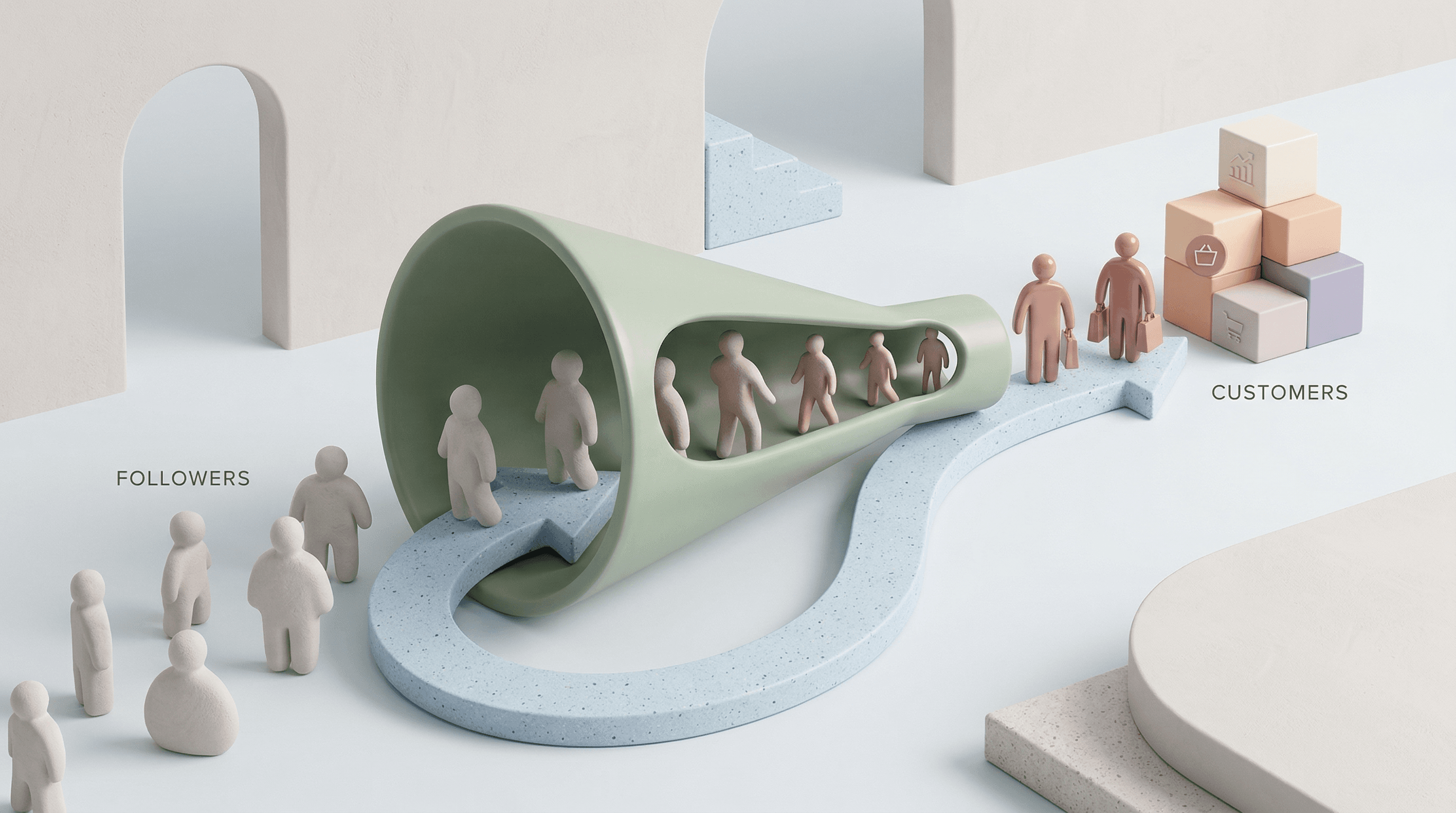
Average creator conversion rates are 1 to 3%. High engagement creators hit 5 to 8%. Learn the playbook for turning your followers into paying customers.
80% of B2B leads come from LinkedIn. With 575M professionals on the platform, LinkedIn creators have a unique opportunity to build B2B software products.
80% of experienced creators report burnout. The content treadmill is unsustainable. Products that earn while you rest are the answer.
Only 4% of creators earn over $100,000 per year. The creator economy is a $250 billion industry with a massive wealth distribution problem.
Not every product idea will work. The best creator SaaS products share specific characteristics that make them successful.
Algorithms change. Platforms get banned. Accounts get hacked. If your income depends entirely on a platform you do not control, you are one update away from disaster.
The SaaS industry has discovered that creators are the most effective distribution channel. The smartest partnerships go far beyond sponsored posts.
Twitter/X has one of the most valuable audiences in social media and almost no native monetization. Here is how creators are building revenue anyway.
Relying on a single income source is the most common mistake creators make. Here is a practical framework for building multiple revenue streams.
Launching a product sounds exciting. But most creator products fail in the first year. Here are the five most common reasons and how to sidestep each one.
Influencer marketing is evolving. The next wave is not bigger brand deals. It is creators owning the products they promote.
You do not need market research firms. Your audience will tell you exactly what to build if you know how to listen.
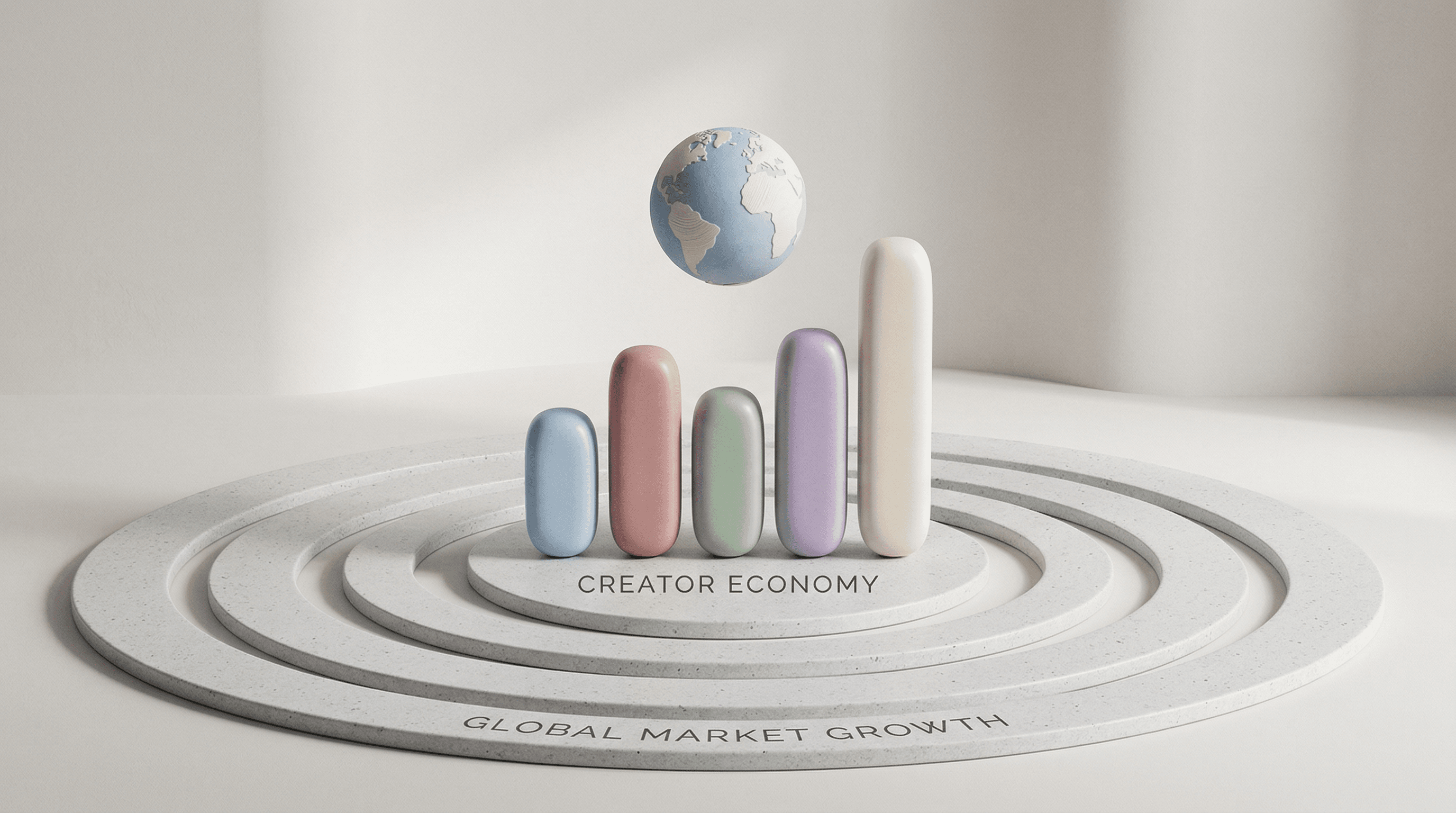
From $205 billion in market value to 207 million active creators, here is a data driven look at the creator economy landscape.
Pricing your product too low leaves money on the table. Pricing too high limits adoption. Here is how to find the sweet spot.
The era of the content only creator is ending. The next generation of creator businesses are commerce engines powered by content.
Merchandise has 20 to 30% margins. Courses have 80%. SaaS has 80 to 90%. The margin structure of your product determines how much you actually keep.
Trust is the most valuable currency a creator has. When channeled into a product, it creates conversion rates that paid advertising cannot touch.
You do not need a million subscribers to build a profitable SaaS product. Niche creators with engaged audiences are the perfect micro SaaS founders.
Forget cold outreach and paid acquisition. The smartest startups are partnering with creators who bring the audience and the insight.
Social followers give you reach. Email subscribers give you conversion. For product launches, the difference is enormous.
YouTube creators and SaaS founders have more in common than they think. Here are the business lessons that bridge the gap.
The first wave of the creator economy was about content. The second wave was about monetization. The third wave is about ownership.